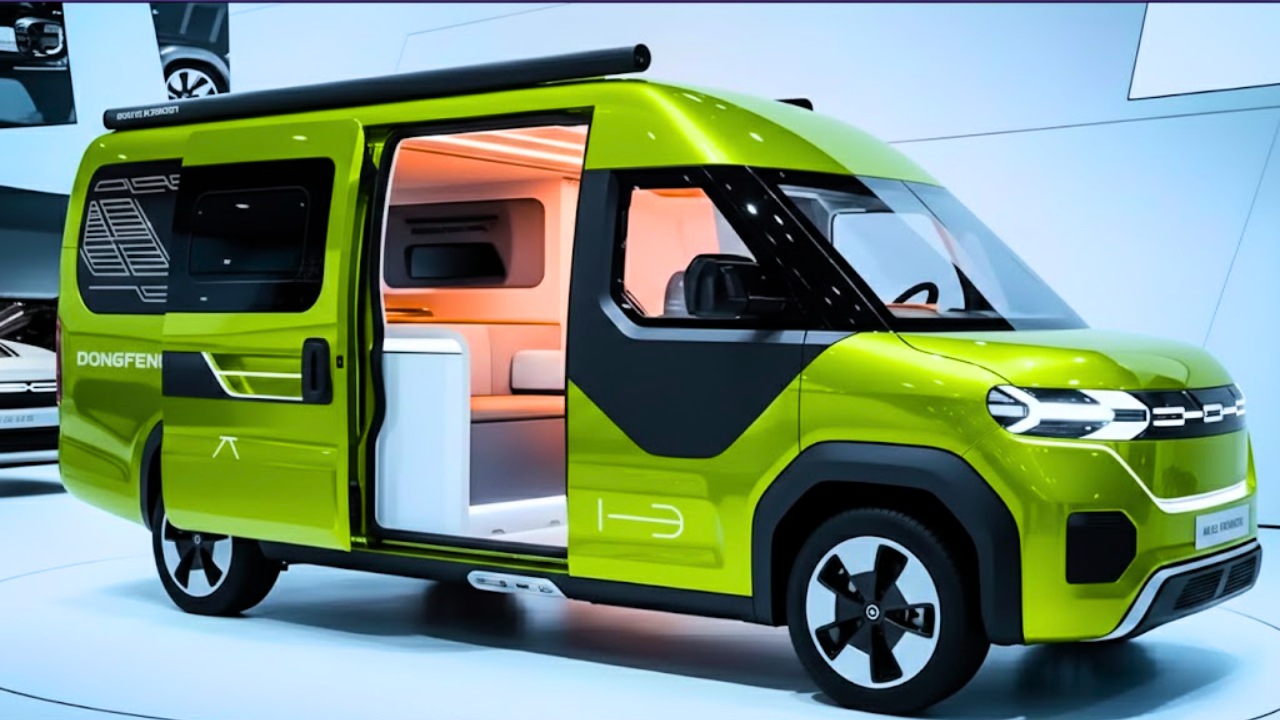
2026 Dacia Dokker Camper: You don’t need a luxury motorhome to disappear for a weekend. You need something honest, simple, easy to maintain, and clever with space. That’s exactly the pitch behind the 2026 Dacia Dokker Camper: not a rolling mansion a compact, practical travel partner that lets regular buyers taste the road-trip life without emptying their bank accounts.
It’s built around one idea: make camping realistic, not aspirational.
Spec Highlights
• Compact van platform with raised roof option
• Small, efficient petrol or diesel engines with manual/automatic choices
• Front-wheel drive for simplicity and lower running costs
• Fold-out bed system with modular storage
• Compact kitchenette (cooktop + sink), removable in some versions
• Optional auxiliary battery and solar support
• Sliding side doors + wide rear opening
• Basic driver-assist tech and modern infotainment
Nothing exotic. Everything chosen because it’s easy to use and easy to fix if needed.
First impression: boxy, straightforward – on purpose
The shape isn’t pretending to be stylish. Straight lines, tall sides, big windows. That honesty pays off the second you open the doors. The interior doesn’t fight you. Gear slides in. Bikes fit. Folding chairs, camping crates, hiking bags all find a home without complex rearranging.
Inside, materials feel simple but tough. Hard plastics in the right places, washable fabrics, and no fragile trim begging to be scratched. This camper wants you to live in it, spill a bit, drag sand in, sweep it out, and keep going.

The living setup: clever rather than luxurious
Fold the rear seats, and the bed frame pulls out across the cabin. It’s not hotel-level softness, but it’s wide enough and supportive enough for real sleep. Underneath, storage boxes swallow shoes, cooking supplies, jackets, and tools.
Along one side sits a small kitchenette sink, compact burner, slim fridge the kind that forces you to pack consciously instead of hauling a kitchen. Many layouts keep it removable, freeing up cargo space when you’re not camping. That flexibility is the whole point.
Lighting is soft and positioned where hands actually reach. Curtains or blinds take care of privacy. And thanks to the tall roof, you don’t feel like you’re crawling in a tunnel every time you move.
On the road: modest power, low stress
The engines planned here will not impress anyone on paper and that’s fine. The focus is efficiency and reliability. Light steering makes city streets manageable. Short gearing helps when fully loaded. Noise levels are acceptable rather than silent, but highway cruising doesn’t feel exhausting.
The Dokker Camper drives more like a small van than a motorhome meaning it fits into normal parking spaces, squeezes down narrow roads, and doesn’t turn every U-turn into a negotiation.

Long trips reward a relaxed pace, and that fits the personality perfectly.
Off the beaten path within reason
This isn’t a hardcore off-road explorer. Ground clearance helps, and the suspension handles rough gravel without drama, but muddy climbs and rocky tracks aren’t the goal. Think forest roads, coastal pull-offs, lakeside paths access, not conquest.
Traction aids, simple stability systems, and decent tires do most of the work. Pick your routes wisely and the Dokker will take you to some surprisingly quiet places.
Technology that keeps things simple
There’s a modern touchscreen, smartphone pairing, navigation, and a handful of assists like parking sensors and lane alerts. Nothing feels overwhelming. It’s intentionally basic so owners don’t end up fighting software instead of driving.
Optional solar combined with an auxiliary battery means you can power lights and charge devices while keeping the main vehicle electrics safe. Not endless freedom but enough to stretch weekends with confidence.

Where the savings show and where they don’t
Affordable doesn’t mean perfect.
Seats are supportive but not plush. Wind noise is noticeable at higher speeds. The kitchenette requires organization. Water capacity is limited. You’ll be folding, sliding, and repositioning pieces more often than in bigger campers.
And then there’s the real-world cost side:
• Load adds weight fuel economy drops when packed
• Camper hardware needs care: seals, hinges, latches
• Compact tires are cheaper, but still wear quicker when loaded
• Resale depends heavily on condition and build quality
Ignoring maintenance because “it’s cheap” is the fastest way to make it expensive.

Where the Dokker Camper quietly wins
It fits into daily life. You can drive it to work. You can grocery shop. You can park at the mall without hunting for RV spaces. Then Friday arrives, you toss in a mattress topper, stack some storage bins, fill the tank, and disappear.
The freedom isn’t huge it’s accessible. And that’s what makes this concept appealing.
Who should consider it honestly
People who love road trips more than luxury.
Couples or solo travelers who pack light.
Weekend explorers who want control over costs.
First-time camper buyers testing the lifestyle before going bigger.
If you expect hotel comfort or zero compromise, this isn’t for you. If the idea of simple, practical travel appeals, the Dokker Camper suddenly looks very smart.
Final thought
The 2026 Dacia Dokker Camper doesn’t try to compete with high-end motorhomes. It offers something more grounded: space that works, features that matter, and a price that keeps the dream realistic. It asks you to accept simplicity and rewards you with weekends that feel longer, and roads that feel more open, without punishing your wallet for wanting adventure.