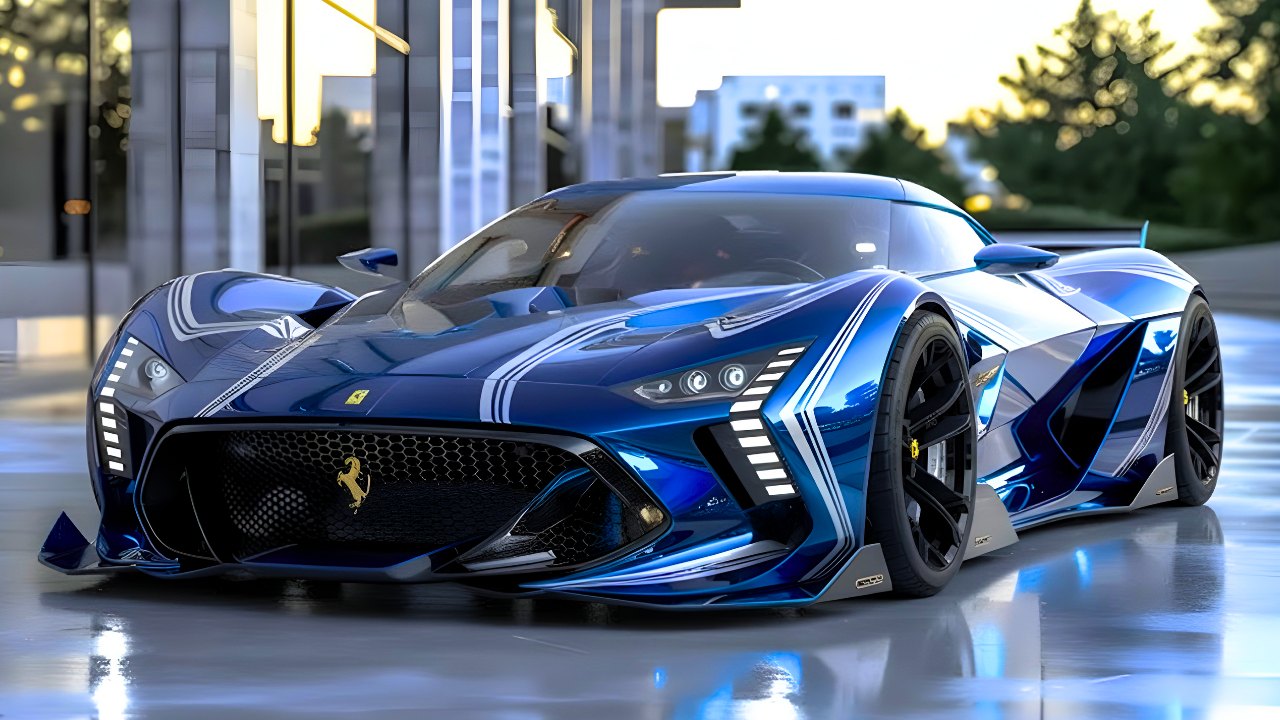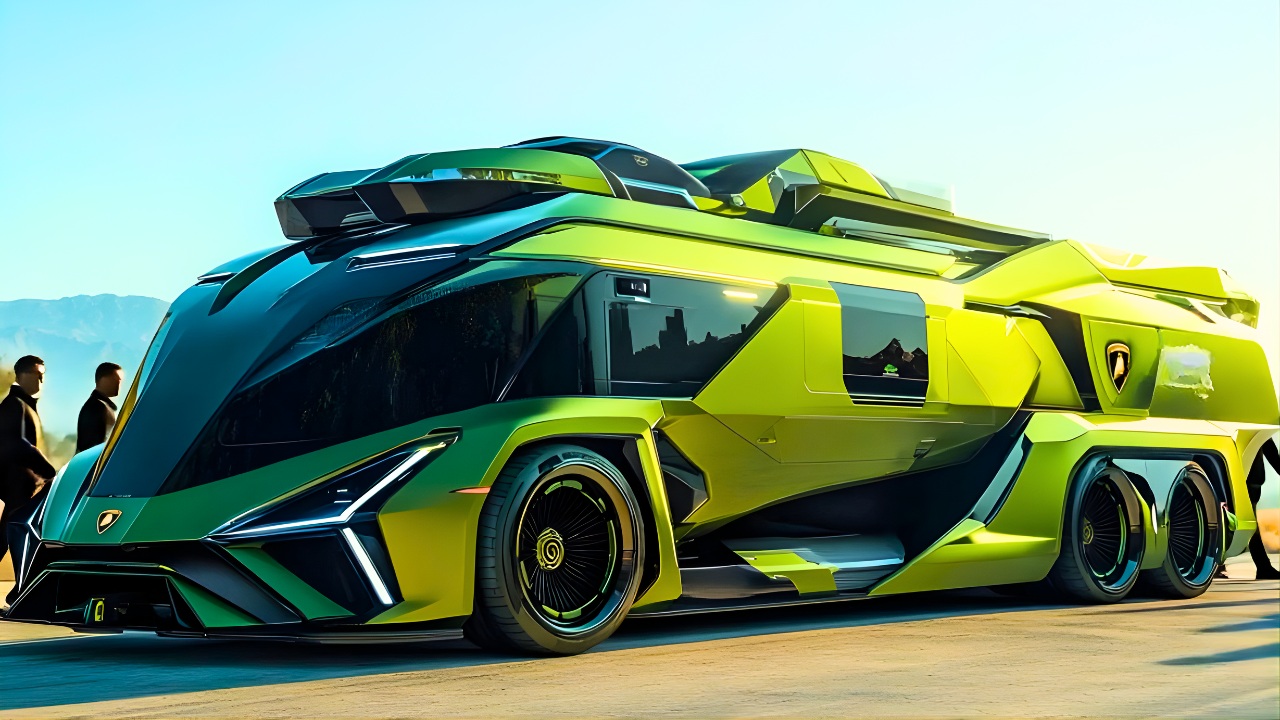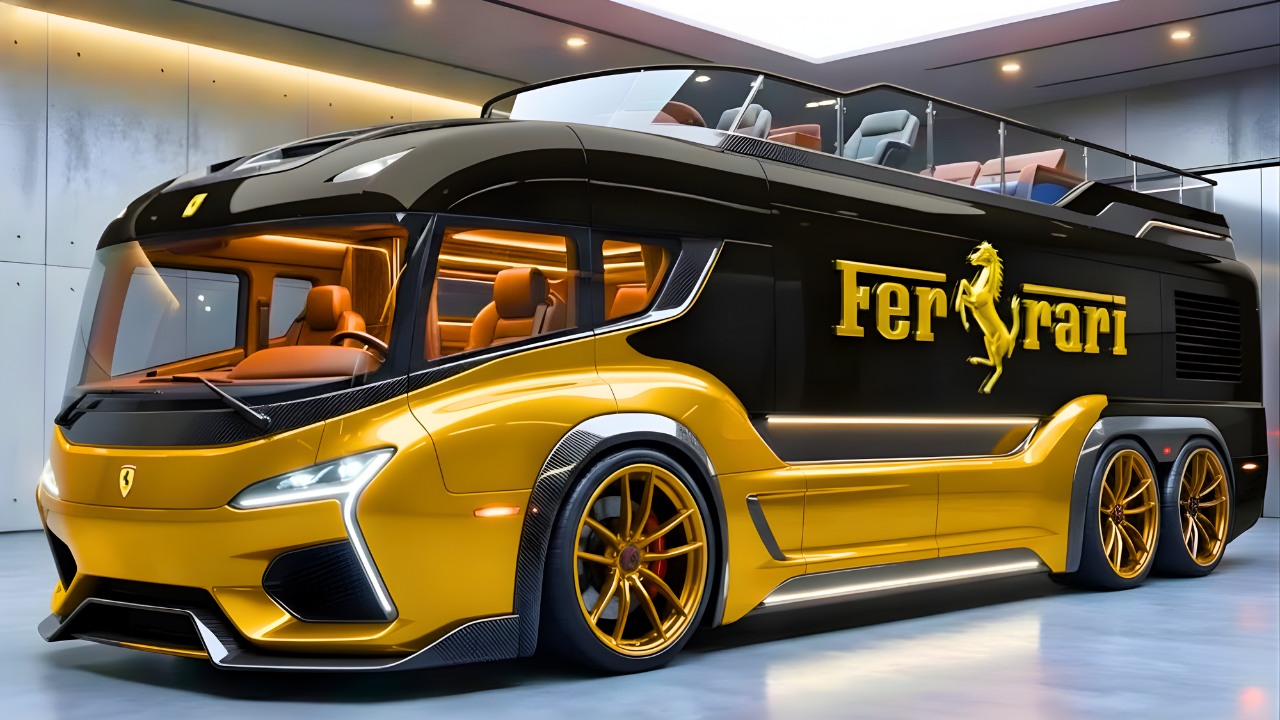
2026 Ferrari Motorhome: Ferrari building a motorhome sounds like a dare. Yet here it is: a rolling residence that borrows attitude from supercars and applies it to long-distance travel. It isn’t about campsites or folding chairs. This thing exists to make motion itself feel curated and to prove that “luxury on wheels” can look dramatic instead of boxy and dull.
This is still early, but the direction is clear: performance discipline, extravagant comfort, and engineering meant to keep everything composed rather than chaotic.
What the engineering promises
• Hybrid power tuned for smooth, torque-rich movement
• Adaptive, height-adjustable suspension with real-time control
• Multi-axle layout for stability at speed and under load
• Lightweight structural elements mixed with reinforced sections
• Regenerative braking paired with heavy-duty stopping hardware
• Expandable living space when parked
• Roof-integrated solar paired with large auxiliary batteries
• Advanced driver assistance designed for long-haul awareness
Not built to set lap records built to keep something massive feeling precise, predictable, and calm.
Presence that feels intentional, not theatrical
Walk around it and nothing looks accidental. The profile sits lower than most luxury RVs, sculpted surfaces guide air instead of fighting it, and lighting signatures give it a sense of movement even while parked. The body avoids awkward bulk; it reads like a long, elegant object that happens to contain a full home.
You don’t mistake it for anything else on the road and it clearly doesn’t try to hide.

Stepping inside feels like crossing into another world
The entry opens to a space that doesn’t resemble typical RV layouts. Lines curve instead of stacking straight cabinets. Materials feel rich but restrained. The kitchen, lounge seating, and entertainment area flow together without clutter. Storage is integrated so quietly you almost miss it.
Up toward the private zone, the sleeping area and bathroom create separation quiet space when the day ends, not just another compartment. Lighting is layered rather than bright, and temperature zones can be tailored per section.
It’s less “camper upgrade,” more “small residence that happens to move.”
How it carries itself on the road
Forget roaring engines and drama. This machine is built around composure.
The hybrid drivetrain delivers steady thrust with no jolts. The suspension flattens imperfections, and steering remains deliberate, giving the driver confidence instead of tension. Crosswinds, uneven pavement, and tight highway merges feel managed rather than frightening.

You always respect the size but you don’t feel like you’re negotiating with it every second. Long drives become quieter, steadier, and less mentally draining.
Systems that manage the home while you focus on driving
Everything runs through a central intelligence: power, water, climate, shading, media, security, and exterior monitoring. You can check remaining energy, watch consumption patterns, and adjust comfort settings without hunting through menus.
Navigation factors height and weight automatically. Exterior cameras stitch together surroundings. Over-the-air software support means this tech shouldn’t feel outdated two years after delivery.
It behaves like a smart apartment with wheels.
Independent travel impressive, but not limitless
Solar charging stretches stay times. Batteries keep lights and essentials running. Generators step in when demand spikes. Filtration helps with water stops. You genuinely can spend longer away from hookups than most premium RVs allow.

Still, physics stays undefeated:
• climate systems draw serious power
• luxury appliances raise consumption fast
• weight means energy disappears quicker on hills
• planning stops becomes part of every route
Freedom exists but it’s managed, not infinite.
The realities that come with the badge
Owning something at this level means costs stack differently.
Tires are specialty items. Service requires technicians who understand both performance engineering and house systems. Insurance operates in its own category. Storage during downtime isn’t cheap. And when something breaks, you’re not “dropping by” for a quick fix you’re making appointments.

Depreciation may behave more gently than normal RVs because of exclusivity, but it remains unpredictable. Anyone assuming maintenance will be casual is in for a rude surprise.
Who actually benefits from a machine like this
Travelers who treat movement as part of the experience. People who prefer privacy to hotels. Owners who understand mechanical responsibility and want their environment to feel curated wherever they stop. It appeals to those who like control over comfort, silence, and identity while covering serious miles.
Weekend campers looking for simplicity won’t get what this is trying to do.
A tradeoff worth thinking through first
Size dictates everything routes, fuel stops, bridge clearances, parking, neighborhoods, and even which roads feel welcoming. You plan ahead or you pay for mistakes. If spontaneity means “turn wherever you want,” this lifestyle clashes fast.
Where this concept actually succeeds
It reframes the idea of luxury travel: not faster, not louder smoother, calmer, and deeply personal. It brings supercar precision into an environment meant for rest, not adrenaline. And it shows that a motorhome doesn’t have to feel like a compromise if you’re willing to live with the complexity that comes along with it.
The 2026 Ferrari Motorhome isn’t chasing logic. It’s chasing experience. Accept the responsibility and it becomes less like transportation and more like carrying your own world with you.