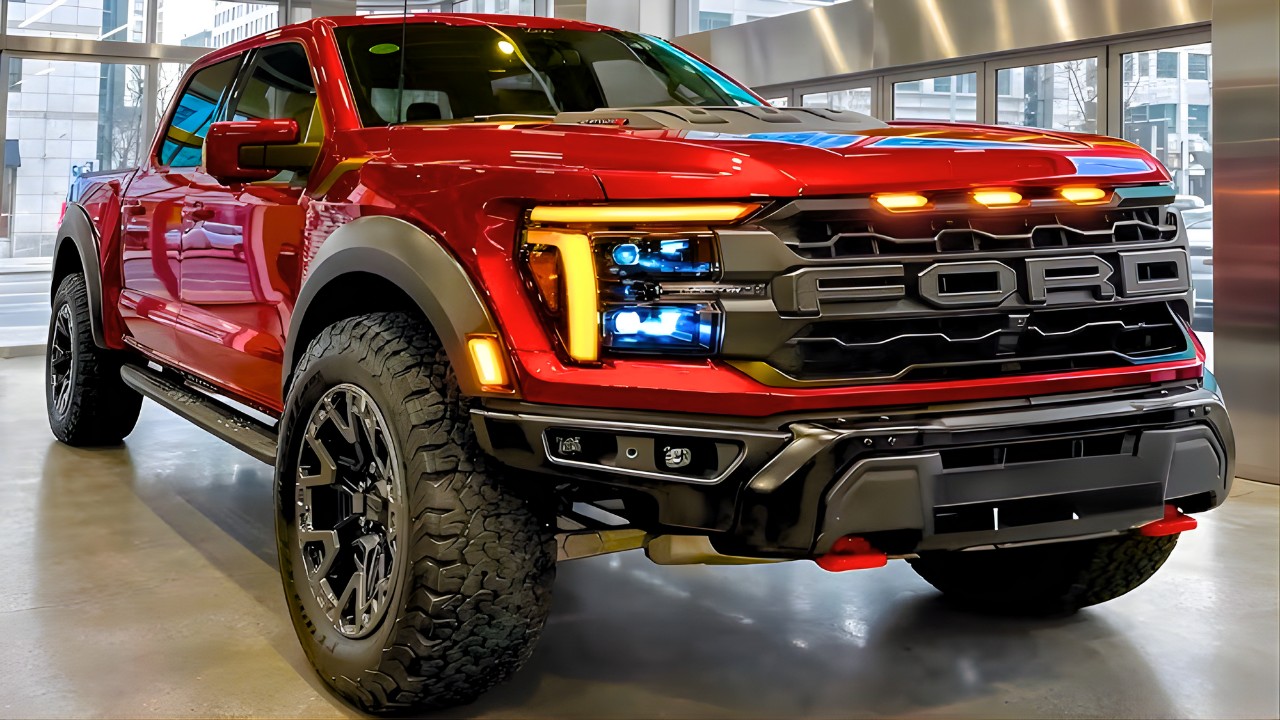
2026 Ford F-150: Pickups used to be simple: big engine, open bed, done. The 2026 F-150 shows how far that idea has evolved. It’s still a work truck at heart, but everything around it tech, comfort, power management, towing help has been designed to make the job easier instead of more stressful.
This is a truck built for people who actually use their vehicles, not just pose with them.
Spec Highlights
• Multiple engines: efficient turbo sixes, hybrid option, and high-output variants
• 10-speed automatic tuned for torque delivery and smooth pull
• Intelligent towing suite with cameras, guidance, sway control, and trailer profiles
• Pro Power onboard outlets for tools, camping, or emergency power
• Bed configurations with integrated tie-downs and step assistance
• Four-wheel drive options with selectable drive modes
• Large digital displays with over-the-air updates
• Wide range of trims from basic work spec to premium comfort
Numbers are nice, but these features exist to reduce effort especially when the truck is working.
First impression: modern, but still feels like a truck
The 2026 design doesn’t chase flash. Boxy surfaces, strong grille, clear edges it looks purposeful. Climb in and you immediately notice the driving position. You sit high, see clearly, and feel in control. Materials depend on trim, but even the simpler versions feel built to handle dirt, boots, kids, and tools without falling apart.
Storage is everywhere. Under-seat bins. Big door pockets. A center console that doubles as a work surface. It’s practical in ways most SUVs still struggle to match.
Everyday driving: calmer than you expect
The turbo engines don’t roar unless pushed; they focus on torque where you need it. The 10-speed transmission keeps things moving without constant gear hunting. Ride quality has improved to the point where long commutes feel manageable instead of punishing.
Traffic? Still traffic but the truck no longer makes it worse. Visibility, backup cameras, sensors, and steering tuning take much of the stress out of tight parking lots.
You can feel the size but you don’t fight it.
Towing: smarter instead of just stronger
Plenty of trucks brag about big towing numbers. The F-150’s advantage is how it tries to keep your nerves steady.
Hooking up a trailer is easier with camera angles that actually show what you need to see. Trailer profiles remember settings. Sway control helps when crosswinds catch you by surprise. The transmission holds gears confidently when you’re climbing, and temperature management helps avoid overheating drama.

The difference is simple: instead of white-knuckling the drive, you settle in and monitor systems that are working with you.
Bed and utility: designed by people who use trucks
The bed rails have tie-down points where straps naturally want to go. Built-in lighting helps during late-night unloading. Steps integrated into the tailgate reduce acrobatics. Power outlets turn the bed into a job-site or campsite hub.
It’s not gimmicky. It’s simply convenient.
Tech that actually serves a purpose
Large screens control navigation, media, towing settings, and drive modes. Voice controls are improving, and over-the-air updates should help prevent tech from aging too fast. Driver-assist features gently support lane keeping, highway cruising, and emergency situations.
The key is that most of it works without demanding your attention constantly something earlier systems never quite nailed.

Ownership reality: the part worth thinking through
This is still a full-size pickup. That brings responsibilities.
Fuel costs fluctuate with driving style empty highway cruising can be reasonable, but towing or aggressive city use will spike consumption. Tires are big, not cheap, and wear faster when hauling regularly. Maintenance isn’t complicated, but skipping it leads to expensive surprises later.
Parking requires strategy. Tight residential spots or crowded structures will test patience. And insurance generally reflects size, power, and equipment.
None of this is unique to the F-150 but it’s better to accept it upfront.
Where the F-150 genuinely shines
It handles work during the week and still manages daily life without feeling like punishment. It carries kids, furniture, tools, trailers, sports gear, and weekend projects with ease. The interior can be hardworking or quietly upscale depending on trim, making it flexible for different types of owners.

Most importantly, it makes heavy tasks feel lighter not because it’s flashy, but because it’s thoughtful.
Who will appreciate it and who won’t
Drivers who tow, haul, build, camp, or travel long distances will see the appeal immediately. People who want one vehicle to do many different job while still being comfortable will feel at home here.
If most of your driving is short city hops, tight parking, and zero towing, it may feel like more vehicle than you need.
Final take
The 2026 Ford F-150 sticks to its roots while quietly adding brains to the muscle. It’s tough, but also organized. Capable, yet easier to manage than older trucks. As long as you understand the costs and size that come with it, the combination of power, intelligent towing, and everyday usability makes it one of the most practical “do-everything” vehicles you can put in a driveway.