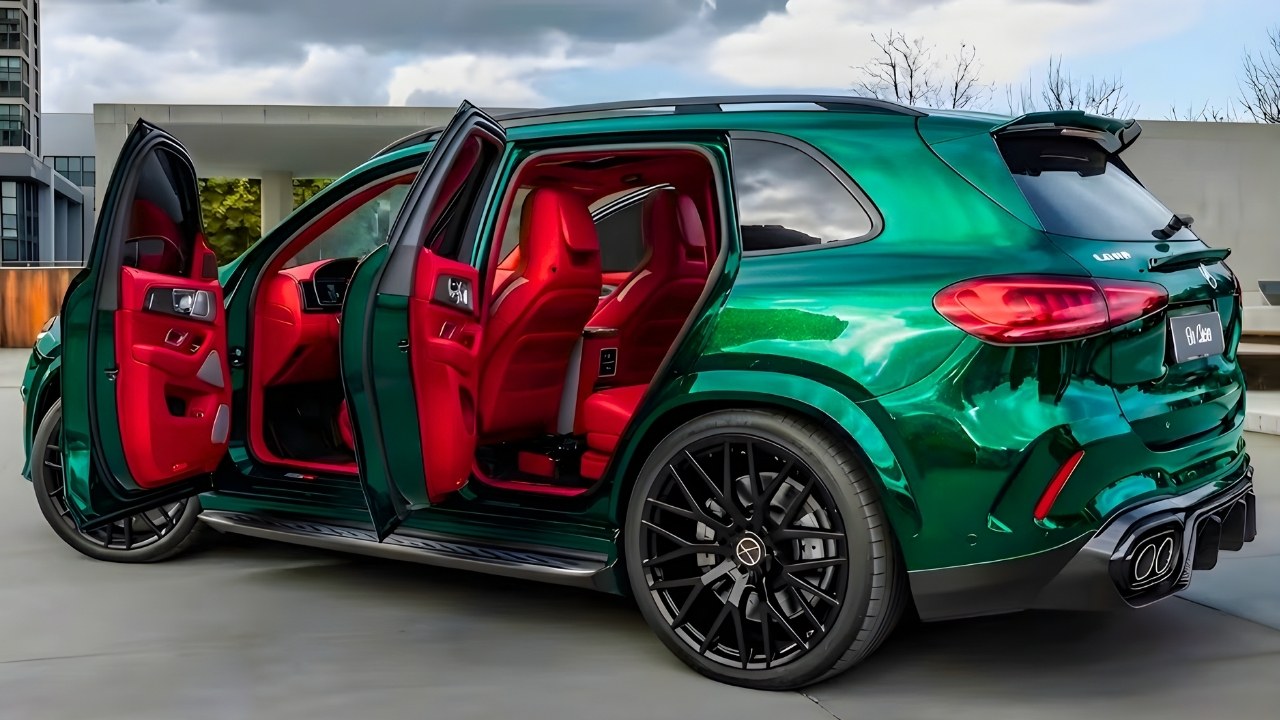
Mercedes GLS Class 2026: the 2026 Mercedes GLS is an unapologetically large, expensive, and complex SUV. It is not a vehicle you buy on impulse because it looks good in the showroom or because the seats feel plush for five minutes. Owning a GLS is a commitment one that will test your patience with size, fuel costs, technology, and service requirements. For some, it’s a perfect tool for a luxury lifestyle. For others, it’s a wallet-draining mistake waiting to happen.
The GLS in the Real World
The GLS isn’t designed to excite drivers with sharp handling or sporty thrills. It’s designed to remove friction from daily life: smoothing out potholes, offering a quiet cabin, and letting you haul adults, kids, and gear without complaints. The third row is actually usable, which is rare for full-size luxury SUVs, and the second row is spacious enough for tall adults. Even the trunk swallows strollers, grocery runs, and weekend luggage like a professional organizer on a mission.
If your commute is mostly highway, this SUV is bliss. Long stretches in traffic? It can make stop-and-go bearable assuming you don’t get frustrated with the constant touchscreen interactions. But this is where the first reality check comes in: the GLS is enormous. Maneuvering in suburban streets, tight parking garages, and school pickup zones becomes a daily mental exercise. The first few months, you might feel in control. By month six, you’re calculating every turn like it’s a tactical operation.
Specs That Matter for Ownership
Forget the flashy brochure numbers here’s what will affect your daily life:
- Engines: Turbocharged inline-6 with mild hybrid assist; optional twin-turbo V8
- Transmission: 9-speed automatic
- Drivetrain: Standard all-wheel drive
- Suspension: Multi-chamber air suspension with self-leveling
- Seating: Three rows, power-folding third row, second-row captains or bench
- Tech: 12.8–14.5 inch central display, updated MBUX AI, rear-seat entertainment screens
- Driver Assist: Adaptive cruise with stop-and-go, lane keep, automated parking assist
- Fuel Economy: Low 20s highway for V6, mid-teens city for V8
- Dimensions: 205+ inches long, nearly 80 inches wide
These numbers are just a starting point. The real question for US buyers isn’t “what can it do?” it’s “can I live with it every day without losing patience or money?”
The Ownership Curveballs
Here’s where the GLS often surprises buyers:
1. Fuel and Running Costs:
The GLS drinks like a luxury yacht. You’ll notice at first during road trips. What hits harder is when it becomes your daily commuter. Even with the inline-6, gas bills add up fast. Combine that with premium fuel requirements and insurance, and suddenly your wallet feels lighter than expected.

2. Technology Overload:
MBUX is impressive far more intuitive than older Mercedes systems but it is also complex and occasionally inconsistent. Voice commands work, mostly, but certain functions still require tapping the screen. Updates arrive automatically, sometimes altering how systems behave without warning. Some features are tied to subscriptions or temporary licenses. For families who just want reliability, this can be frustrating.
3. Maintenance Realities:
That buttery-smooth air suspension is expensive to maintain. Compressors, sensors, and control modules wear out. Out-of-warranty repairs can easily run thousands of dollars. Add in the electronics-heavy interior and driver-assist hardware, and even minor bumps can lead to costly visits to the dealer. Local independent shops can’t handle most repairs, so convenience is limited.
4. Size Fatigue:
This is subtle but real. The GLS is large, yes, but that size affects your daily life more than you expect. From tight driveways to crowded parking garages, the SUV doesn’t shrink. After a few months, it can feel more like a daily challenge than a luxury.

5. Resale Reality:
The GLS depreciates faster than its smaller siblings. Luxury SUVs lose value quickly once a new model hits with bigger screens, better AI, and fancier materials. If you’re thinking long-term ownership, expect to face a significant hit if you try to sell after five years.
Who Should Consider the 2026 GLS
Good fit:
- Drivers who prioritize comfort over sportiness
- Families or carpools that need three usable rows
- Highway commuters who appreciate tech-assisted stress reduction
- Buyers planning to lease or trade within 3–5 years
Who should avoid it:

- Urban drivers battling tight streets and parking
- Buyers on a tight fuel or maintenance budget
- Owners wanting a low-tech, worry-free long-term vehicle
- Anyone banking on strong resale
The GLS is a tool, not a toy. If you can live with its size, costs, and tech quirks, it delivers unmatched comfort, storage, and serenity on the road. If you can’t, it will slowly remind you why bigger, fancier, and tech-heavy doesn’t always equal smarter.
Owning a 2026 GLS isn’t glamorous it’s a commitment to a certain lifestyle. If your life matches its scale and your wallet can handle the recurring costs, you’ll love it. If not, it’s a luxury trap in waiting.