Ferrari SF90 2026: The SF90 never tried to be friendly. It was Ferrari’s warning shot proof that electrification could amplify aggression instead of diluting it. For 2026, the message gets sharper. This isn’t a gentle evolution toward efficiency. It’s Ferrari tightening every screw around speed, response, and control, then daring drivers to keep up.
What’s changing isn’t the idea. It’s the execution.
The power philosophy, clarified
Ferrari isn’t chasing silence or range here. The electrified setup exists for one reason: to make the car hit harder, sooner, and more often. The combustion engine remains the emotional core, while the electric motors act like force multipliers filling gaps, sharpening exits, and delivering instant shove when physics would normally hesitate.
For 2026, calibration is the headline. Power delivery feels cleaner, transitions smoother, and torque more accessible without needing theatrical revs. The car feels alert even at partial throttle, like it’s constantly leaning forward, waiting for permission.
Key mechanical cues you’ll actually feel:
- Twin-turbo V8 paired with multiple electric motors
- Total output still hovering near the four-figure mark
- Electric torque used for response, not cruising
- All-wheel drive logic refined for better front-end bite
- Regenerative braking tuned to feel more natural under pressure
This isn’t about numbers on a wall. It’s about how violently and accurately the car reacts to intent.
Design that still looks like the future arrived early
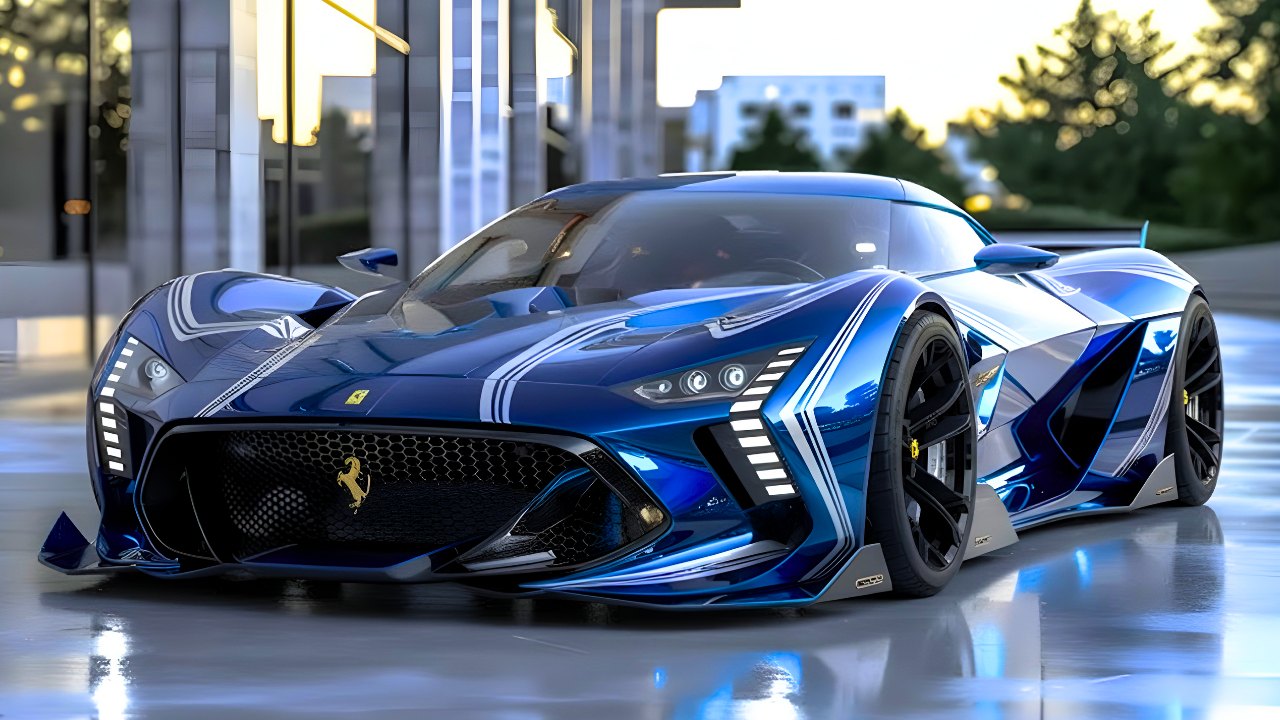
The SF90 never blended in, and it still doesn’t. For 2026, the visual changes are subtle but purposeful cleaner aero edges, refined cooling paths, and details that feel more resolved than flashy.
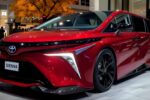
The car looks less experimental now and more inevitable. Low nose, wide haunches, tight surfaces, and lighting that feels surgical rather than decorative. Everything appears drawn with airflow in mind, not nostalgia.
It doesn’t reference Ferrari’s past. It ignores it.
Inside the cockpit, there’s no apology
This cabin doesn’t pamper. It focuses.
The steering wheel remains busy but intentional. Controls are placed for driving, not browsing. Displays are sharper and faster, with better visibility under load. Materials feel technical rather than luxurious carbon, Alcantara, surfaces meant to be touched with gloves or sweaty palms.
You sit low, wrapped in structure, aware that this space exists to serve one task. Comfort is present, but it’s secondary. Ferrari assumes you understand why.
What happens when the road opens up
Acceleration is immediate, but that’s not the shocking part anymore. What stands out is how stable the violence feels. The SF90 doesn’t feel like it’s fighting traction it feels like it’s managing it.
Corner entry is sharper thanks to smarter torque distribution. Mid-corner balance feels more neutral. On exit, the electric assistance doesn’t overwhelm; it slingshots. The chassis feels planted even when the speed stops making sense.
This is a car that rewards commitment. Half measures feel awkward. Full intent feels incredible.
The intelligence behind the madness
Ferrari didn’t add electronics to soften the experience. They added them to refine it.
Drive modes now adjust more layers beneath the surface power blending, suspension response, steering weight, and how aggressively the car leans on electric assistance. The systems work together instead of competing for control.
Driver aids remain present, but they’re calibrated for speed, not safety lectures. They intervene late, smoothly, and with respect for skill.
The part ownership fantasies ignore
Living with something this extreme brings consequences.
Battery systems add complexity. Cooling requirements are intense. Tires disappear quickly when used properly. Brake components cost what you expect and then a bit more. Software updates and calibrations aren’t optional if you want the car at its best.
And while electrification improves efficiency on paper, real-world driving like this doesn’t reward restraint. Fuel use climbs fast when the car is exercised the way it was built to be.
This is not a “drive it gently and enjoy the badge” Ferrari.
Where the SF90 still makes no compromises
It doesn’t try to be comfortable in traffic.
It doesn’t try to feel elegant at low speed.
It doesn’t care about being easy to explain to passengers.
What it does instead is deliver a sense of immediacy few cars on the planet can match. Thought becomes motion with almost no delay. The car feels alive in a way that goes beyond sound or speed it’s the responsiveness that hooks you.
Who this car is really speaking to
Drivers who want the sharp edge of what’s possible right now. People who accept complexity as the cost of cutting-edge performance. Owners who don’t mind learning systems, managing upkeep, and planning servicebecause the payoff happens every time the road clears.

If you’re looking for a hybrid that feels responsible, this isn’t it.
If you’re looking for electrification used as a weapon, it absolutely is.
Conclusion
The 2026 Ferrari SF90 doesn’t soften with age. It becomes more precise. More confident. More deliberate. Electrification here isn’t about the future it’s about extracting everything possible from the present.
This is Ferrari saying that extreme performance doesn’t need to lose its soul to evolve. It just needs sharper tools.
Accept the cost, the complexity, and the responsibility and the SF90 delivers an experience that still feels slightly ahead of everyone else, including its own time.